Crisis Communications
In the age of social media and artificial intelligence, a damaging story can ricochet around the world with breathtaking speed. When legal issues are involved, the pressure to respond quickly is intense. That same pressure risks compounding the damage with a new mistake.
When the stakes are high, just sending out a press release is insufficient. During a major controversy that attracts media scrutiny, a comprehensive crisis communications strategy is essential, and the way it’s implemented can make the difference between winning and losing. The process requires rigorous fact-finding, meticulous preparation, coordinated decision-making, and disciplined execution.
Crisis Services
-
In a complex case, Ballard typically evaluates the legal and reputational effects of allegations, publicity, potential responses, and reputation-repair measures. He considers admissions, inconsistencies, and disclosure issues. He forecasts the impact of investigations, charging decisions, litigation, and settlement scenarios. He then develops a fact-specific communications strategy with the client and counsel.
-
Much of the work takes place behind the scenes. Ballard works with the client, counsel, and specialists to clarify the facts, assess communications issues, and inform legal advice. Interviews, investigations, and fact-gathering help build a shared understanding of the situation. Preparation may also include media training, mock interviews, and coaching to help people communicate clearly under pressure.
-
In a crisis, good writing matters. A press release is just one visible part of a larger body of writing that must be precise, accurate, and compelling. Factual summaries, timelines, interview analyses, and research findings must be distilled into a clear internal narrative. Refining that narrative and testing its key messages in advance makes it easier to select and adapt relevant parts when it is time to communicate externally. Using this method, all stakeholder messages, press statements, digital communications, pleadings, settlement offers, apologies, and corrections flow from the same common source and remain consistent.
-
Ballard assembles and leads a crisis team of experienced communications professionals, investigators, researchers, and other specialists. Working with the client and counsel, he sets clear responsibilities and manages the team’s work. Crisis team members interact with journalists to place stories, seek corrections, disseminate news, and conduct rapid response.
Confidentiality
Preserving confidentiality can be central to an effective crisis strategy. Some communications and materials may be protected from disclosure under the attorney-client privilege and the work-product doctrine.
Ballard has a practical understanding of the scope and limits of these legal protections. Retaining him as an attorney, or adding him to an existing legal team to manage crisis communications, reduces the risk of inadvertently waiving confidentiality.
About Ballard
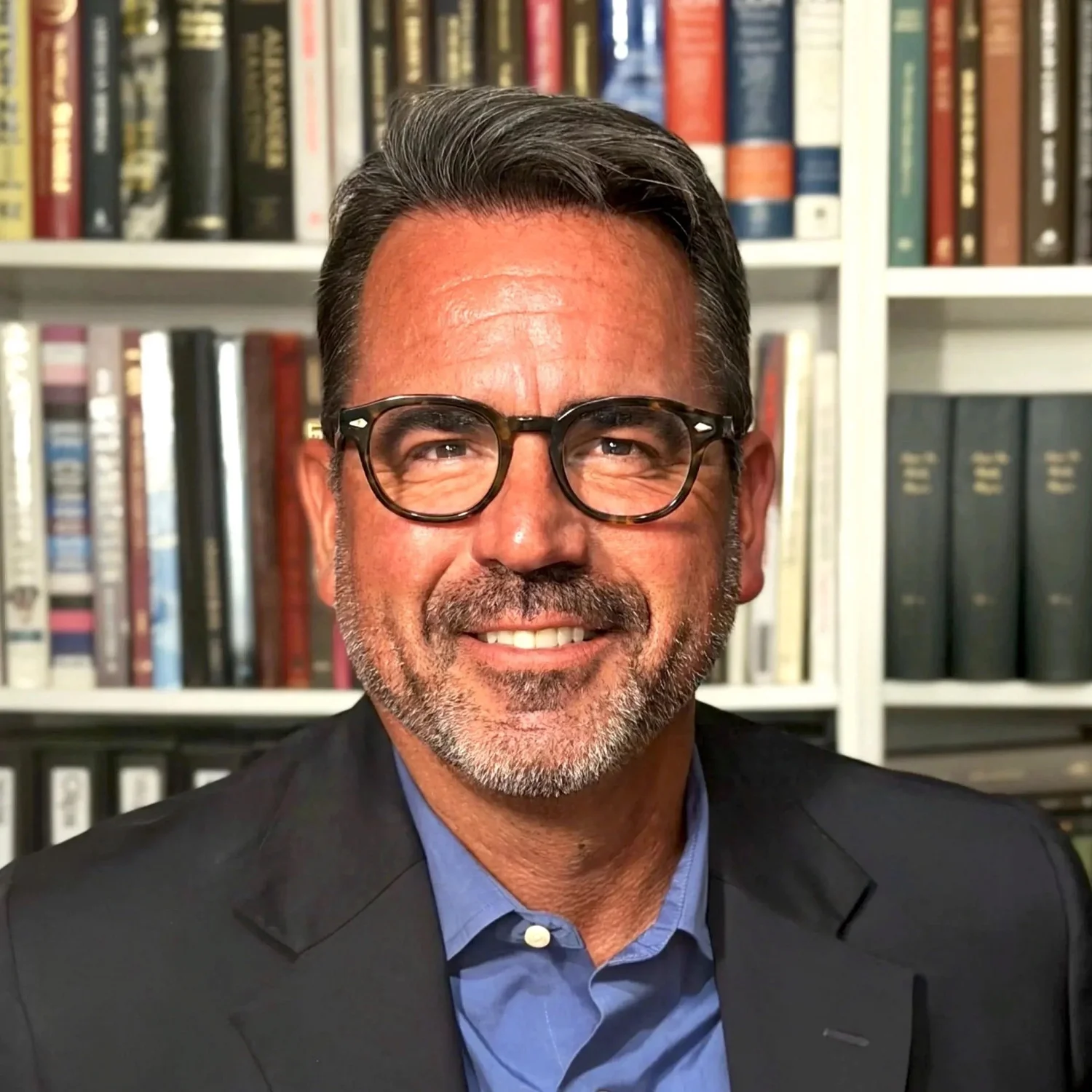
Nathan Ballard is an attorney in private practice. He helps clients by managing crisis communications involving legal issues.
San Francisco Magazine’s “Power Issue” called Ballard a “preeminent media whisperer” who represents “a veritable Yellow Pages of powerful clients.” Ballard was Governor Gavin Newsom’s communications director when Newsom served as mayor of San Francisco. The New York Times said Ballard had “a sixth sense” for when to step in for Newsom.
Ballard, a former deputy city attorney, has been a communications advisor to Fortune 100 companies, major tech figures, the Golden State Warriors, Super Bowl 50, and San Francisco’s bid for the 2028 Olympic Games. He was a spokesman for presidential candidates Senator John Kerry and General Wesley Clark.
Ballard has also been a communications director for the Democratic National Committee, the California Democratic Party, and the California Labor Federation, AFL-CIO. He was a market leader and managing director at Burson-Marsteller, a global public relations agency, where he led the West Coast crisis team. He served on the board of The Representation Project, Jennifer Siebel Newsom’s nonprofit organization.